Behind every powerful politician is a political aide working day and night, mostly in silence, often in the shadows. While the public sees the speeches, the handshakes, and the headlines, they rarely see the brains and hustle behind the scenes. It’s time we pull back the curtain on the people who make Nigeria’s political machinery run—yet get little or no credit.
Political aides are not just “assistants.” They are speechwriters, crisis managers, media handlers, strategists, personal gatekeepers, and sometimes, even errand runners. From State Houses to Local Government offices, these aides are the quiet forces holding everything together—until something breaks.
In Nigeria, being a political aide can mean everything and nothing at the same time. Everything—because you sit close to power. You get to shape the message, see policy before the public does, and influence what your boss says and does. Nothing—because your job security is tied to one man or woman. Once the principal is out, you’re out.
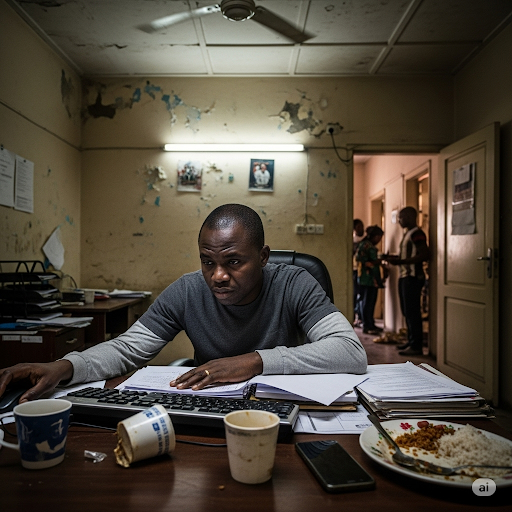
These aides often work under intense pressure. “You’re expected to be on duty 24/7,” said one former aide to a state governor who requested anonymity. “There are no holidays, no breaks. If oga calls at 2 a.m., you must pick.” Many work without formal letters of appointment, especially at state and local levels. Their salaries? Sometimes delayed. Sometimes unpaid. In worst cases, never even agreed upon.
There’s also the mental toll. Imagine crafting intelligent memos and policy briefs only for them to be ignored or watered down by political interests. Imagine standing in as punching bags when the media is angry, or when public expectations rise. The title “Special Assistant” sounds glamorous, but on the ground, it’s a storm of stress, sacrifice, and sleepless nights.
And then there’s loyalty—one of the most dangerous currencies in the game. Aides are expected to be loyal to the boss at all costs. Say the wrong thing, leak the wrong gist, or be caught speaking to the wrong person, and you’re gone. No pension, no thank you.
Yet, the role of political aides is crucial. They’re often the difference between a well-prepared politician and a fumbling one. From drafting statements to arranging logistics, defending on radio shows, and even managing “online warriors”, they do it all.
Sadly, the system does little to protect or uplift them. There are no strong national structures guiding their appointment or welfare. Only a few states like Lagos and Abuja offer relatively structured processes for hiring and compensating aides. For most others, it’s a mix of loyalty, connection, and luck.
Even worse, their careers are tied to election cycles. Once elections are over, aides must begin fresh lobbying for survival. Some get lucky and are reappointed. Others return to the streets, with nothing but stories of the “powerful years.”
Yet, in all this, one thing stands clear: the Nigerian political system cannot function without these aides. They are the oil in the engine. Without them, many politicians would struggle to navigate governance or public image.
So the next time you hear a lawmaker speak fluently, or see a governor’s well-curated online post, remember—there’s a political aide behind it, working silently, passionately, and often without applause.
It’s time we stop treating them like disposable tools. There should be frameworks to guide appointments, protect rights, and offer clear career paths. Because behind the curtain lies not just one man’s ambition—but the effort of many invisible hands keeping the show alive.
– NewsWatch Network Editorial Desk
(For more stories on Nigeria’s political insiders, follow us on www.newswatchnetwork.com.ng)
About The Author